
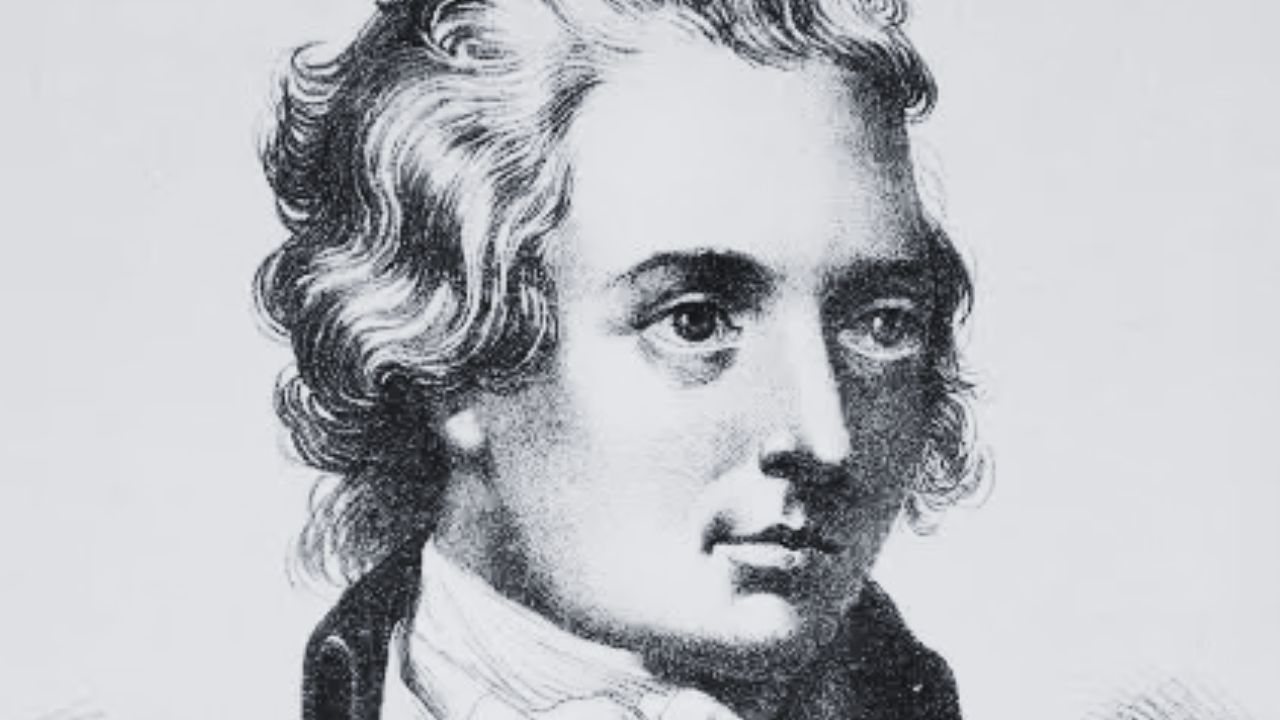
You’re journeying across the unknown landscapes of 18th-century Africa, barely sketched on European maps, in search of the legendary Niger River. Exciting, right? That’s exactly what Mungo Park did! Mungo Park wasn’t just your standard explorer; he was a trailblazer who dared to leap into the heart of Africa with nothing but determination and a thirst for discovery!
Early Years and Background
Born on September 10, 1771, in the serene town of Selkirk, Scotland, Mungo Park was the son of a modest farming family. You’ve probably heard stories of adventurous kids exploring the woods, imagining far-off lands. That was undoubtedly young Mungo, dreaming of the mysteries beyond his Scottish hills. Park kicked off his academic explorations at the University of Edinburgh, where he studied medicine. Later, he set sail to the East Indies as a ship’s medical officer, a move that planted the seeds of adventure in his heart. His fascination with the exotic flora and fauna of Sumatra nudged him towards the idea of exploration. Who would have thought a simple exploration of Sumatran plants could lead him to the heart of Africa?
First Expedition to West Africa (1795–1797)
Now, let’s talk about Park’s first big splash in the world of exploration. Imagine setting off from the Gambia River, facing unknown dangers at every turn! That’s how Mungo’s grand journey began on June 21, 1795. Sponsored by the African Association, he embarked on this epic quest to find and explore the Niger River’s secrets. It was like trying to solve the ultimate geographical puzzle!


The journey was no walk in the park (pun intended). Disease, attacks, and even imprisonment by a Moorish chief—Park faced them all! But here’s the kicker: on July 20 or 21, 1796, he achieved what no European had done before. He reached the Niger River at Ségou in present-day Mali! Imagine standing on the riverbanks, knowing you’re the first from your part of the world to lay eyes on this majestic river. Although he succeeded in following the Niger for about 80 miles, his journey back wasn’t pretty. Low on supplies and battling severe illness, Park’s return was an adventure unto itself. He spent seven months recuperating in Kamalia before making it back to the trading station and catching a ride back to Scotland on a slave ship. Talk about a wild ride!
His thrilling account of this expedition was published in 1799 as *Travels in the Interior Districts of Africa.* It quickly became a bestseller, captivating audiences with tales of uncharted lands, diverse cultures, and the Niger’s mysterious course. Park’s narrative painted vivid pictures, showing Europe that West Africa was not just habitable but full of dynamic life and culture!
Second Expedition and Untimely Demise
After returning to the tranquility of Scotland, marrying, and settling into a medical practice, you’d think Park would have hung up his explorer hat. But no sir! When the British government proposed another expedition in 1805, Park answered the call of adventure yet again. This time, he was a man on a mission, with the expedition aiming to map the full length of the Niger and establish trade links.
However, the second journey wasn’t as forgiving. Imagine trekking through hostile environments, with only a fraction of your original crew surviving to see the mighty Niger. By the time Park reached Bamako, they were down to just 11 weary souls. Despite the odds, they bravely continued, paddling down the Niger from Sansanding.
Tragically, Park’s life met an abrupt end at the Bussa rapids around January 1806. An attack led to him drowning at the tender age of 35. The exact location of his final resting place remains a mystery, adding a haunting allure to his legendary journey.
Lasting Impact and Legacy
Even though Park’s life was cut short, his legacy is anything but small. His contributions significantly expanded European knowledge of West Africa. His tales weren’t just about the places he saw but about the commonalities among human beings, no matter where they’re from. In a way, Park was an unknowingly early advocate for cross-cultural understanding, showing his readers that the people he met were not so different from themselves.
His detailed accounts paved the way for future explorers, offering a template of sorts for navigating the complex and often harsh realities of African exploration. Although some of his geographical theories, like linking the Niger to the Congo River, were off the mark, his journeys inspired countless others to continue the quest for knowledge.
Park’s travel literature remains a source of inspiration, highlighting the spirit of adventure and human resilience. His story reminds us of a time when the world was a blank map waiting to be filled. Today, as we sit in the comfort of our homes, exploring new cultures through the internet, Mungo Park’s daring ventures remind us of the sheer thrill that comes from genuine exploration and discovery.
Conclusion
Mungo Park was more than just an explorer; he was a hero of unyielding curiosity and determination. His achievements brought West Africa into the spotlight, bridging worlds through his words and courageous actions. While his life ended tragically, Park’s adventurous spirit shines brightly in the annals of exploration history.
By the way, curiosity never stops. If you’re interested in more tales of adventure and exploration, you can always check out what’s happening today by visiting BusinessWireMag. Each journey begins with a single step, or in Park’s case, with one daring paddle down a mysterious river. Who knows where your curiosity might lead?
Also Read: