
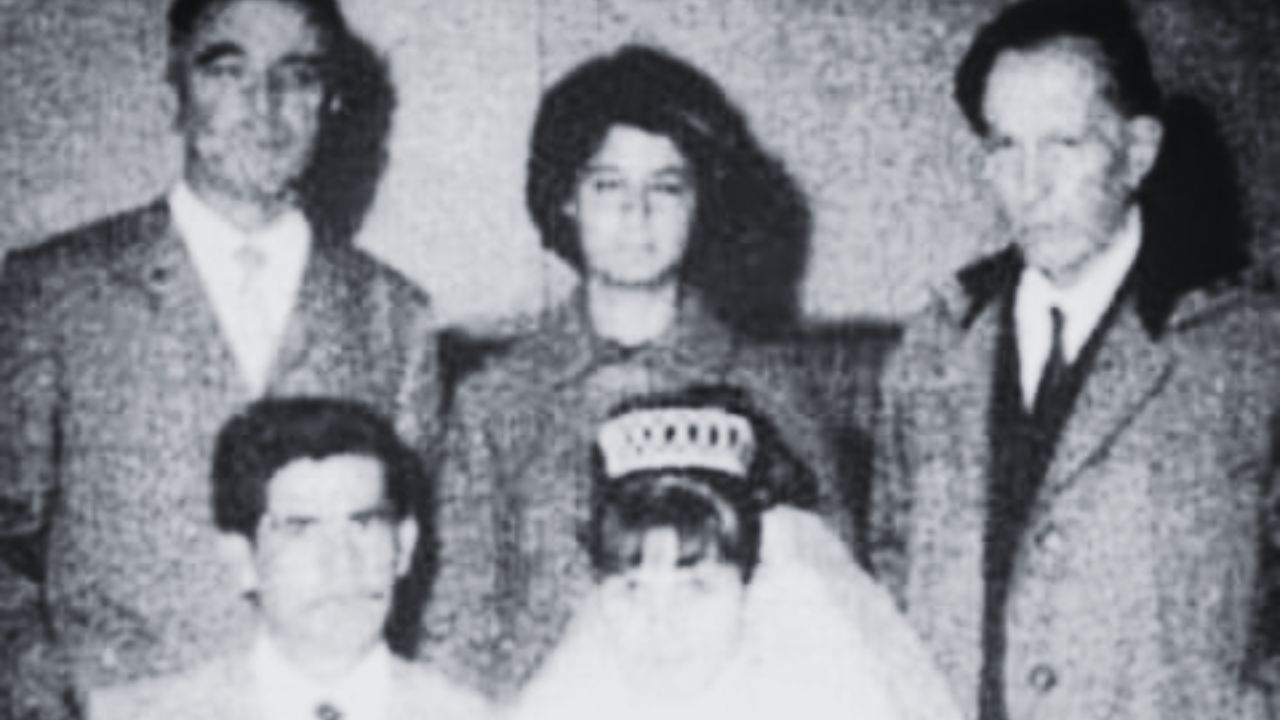
Have you ever come across a name that sparks your curiosity but leaves you with more questions than answers? Meet Kaniye Atsız, an enigmatic figure connected to the illustrious Turkish writer Hüseyin Nihâl Atsız. Although not much is known about her, the very mystery surrounding her life makes her a fascinating character on the historical canvas of early 20th-century Turkey. Buckle up as we embark on a captivating journey to discover the pieces of her puzzle!
Introduction to Kaniye Atsız
Alright, you’ve heard of poetic giants who leave an indelible mark with their works, but what about the figures standing a little behind the spotlight? Kaniye Atsız falls into this intriguing category, linked intimately to one of Turkey’s most noted ultranationalist writers, Hüseyin Nihâl Atsız. As his adopted daughter, Kaniye’s identity becomes significant, shrouded in a sense of familial importance yet steeped in mystery.
The mere mention of her name invokes a sense of curiosity, unraveling questions about her life and times. While her father is celebrated for his profound influence on Turkish literature and nationalism, Kaniye remains a shadowed yet captivating figure in their family tapestry. Let’s dig deeper to uncover what we can about this mysterious woman.


Family Background
Imagine a bustling household filled with the lively chatter of literary debates and intellectual discussions. Now, picture Kaniye Atsız growing up in this environment as the adopted daughter of Hüseyin Nihâl Atsız and Bedriye Atsız. Joining this dynamic family in 1935, Kaniye gained not just parents but two spirited brothers, Yağmur and Buğra.
These names might ring a bell for some, and for good reason! Yağmur Atsız carved his path in the realm of journalism and writing, while Buğra Atsız pursued academia with a fervor for nationalist themes. All the while, Kaniye’s presence in the family brings an added layer of depth to their story—a life interwoven with the complexities and triumphs inherent in such a remarkable household.
But despite sharing a surname with these notable personalities, Kaniye’s story often skips the limelight, leaving much for us to piece together. Her place in the family, along with the Atsız boys, hints at a rich tapestry of experiences that most of us can only dream of.
Hüseyin Nihâl Atsız: A Quick Dive
Now, speaking of literary legends, it’s impossible not to highlight Hüseyin Nihâl Atsız for a moment. His legacy as a writer, novelist, and poet wasn’t just about putting pen to paper; it was about stirring thoughts and inspiring movements. As you might guess, his work heavily influenced Turkish literature and injected a wave of ultranationalist ideas across the nation.
But who was he beyond the pages? Imagine a man whose words were as compelling in person as they were on paper. His works—rich with historical elements and nationalist themes—were undoubtedly echoed in the halls of his home. With such an impactful figure leading the family, it’s no wonder the Atsız children grew up in an environment charged with intellectual fervor and cultural discussion.
Can you imagine dining at their table? Each meal could launch a debate or a story session, swirling with thoughts of ancient traditions and future aspirations. It must have been a rarity—a household where history felt like a vibrant guest engaging everyone in attendance.
Siblings and Their Achievements
Kaniye’s brothers didn’t merely bask in their father’s shadow; they stepped into the world to make their own mark. Yağmur Atsız, with a flair for words, became a left-wing journalist and writer. His contributions to the colorful world of journalism and writing were a testament to his own creativity and intellect, driven perhaps by the environment he grew up in.
Then there’s Buğra Atsız, who, much like his father, explored the themes of nationalism. His work in academia blended scholarly pursuits with nationalist views, a synthesis that presented a distinctive voice in educational circles.
You might be thinking about the sibling dynamic in such a uniquely influential family. It’s not just about their achievements; it’s about how these siblings represent a spectrum of ideologies and talents, each contributing to the broader narrative of modern Turkish thought and literature.
Kaniye Atsız: The Mystery
Here’s where things get really interesting: the mysterious figure of Kaniye Atsız herself. While her brothers’ lives are painted clearly within the public eye, there’s a curious sense of privacy surrounding Kaniye.
We can’t help but wonder: why such secrecy? Why is there so little detail about her on public platforms and historical records? Some speculate, while others theorize, that perhaps her life was lived profoundly yet quietly, out of the public spotlight.
But think about it this way: sometimes, the quietest lives can be the most intriguing. The whispers of Kaniye’s story seem to speak to us from the shadows of her family’s prominent figure—a tantalizing tale of what might be hidden behind closed doors.
Available Accounts and Descriptions
So what do the records tell us about Kaniye Atsız? Let’s gather what bits and pieces we can find. According to MyHeritage and similar biographical summaries, Kaniye is Hüseyin Nihâl Atsız’s daughter—no surprises there. Yet, when it comes to details like her birthdate or career choices, the trail runs achingly thin.
Even sources that do mention her tend to do so sparingly, often only side-by-side with details about the rest of the Atsız family. It’s almost as if the record keepers handed us a beautifully illustrated book, yet with some pages conspicuously missing.
Might there be more to discover? Certainly, the urge to delve deeper into historical archives is palpable—searching for any trace of her personality, her thoughts, even a glimpse into her day-to-day life.
Context in Educational Discussion
Despite the obscurity, Kaniye has been mentioned in contexts related to educators and discussions of historical properties. This suggests that she might have participated more substantially in the shaping of Turkish educational dialogues than what limited records show.
These scant mentions underpin her potential influence, albeit from the sidelines, on educational narratives of her time. Her place in discussions linked to educators indicates that there was indeed a depth to her involvement, echoing through the settings of learning and cultural debate where her family was active.
The educational sphere is richer thanks to such figures, challenging us to depict the full sketch with so few strokes of history’s paintbrush.
Conclusion: Understanding the Enigma
And so, we come to the end of our exploration—a journey both enlightening and elusive. The enigma of Kaniye Atsız persists, reminding us of how history occasionally leaves us with puzzles rather than completed pictures. Her story remains nestled within the fabric of Hüseyin Nihâl Atsız’s legacy, a subtle yet captivating presence.
Through this lens, her name continues to invoke curiosity among those who delve into the world of Turkish literature and ultranationalist movements. As with any good mystery, the lack of information only adds to our interest, encouraging historical enthusiasts to continue the search.
Embracing just a whisper of her life against the backdrop of a storied family, Kaniye Atsız remains a reminder of the countless untold tales that linger around us. For those wishing to uncover more about lesser-known figures like Kaniye, exploring online publications and archives, such as this resource, can unearth new insights.
Who knows? Perhaps the silent pages of history will someday yield more about her life, setting the stage for an even richer understanding of the profound legacy of this remarkable family. Until then, Kaniye Atsız remains both a question and an invitation—a mystery that tantalizes those who dare to wonder about the lives interwoven with tales of Turkish heritage.
Also Read: